
Human rights

We are committed to ensuring human rights throughout our entire value chain
Ensuring and promoting respect for human rights in our activities and business relationships is a top priority for our Group.

Since 2019, we have voluntarily adhered to the 10 Principles of the United Nations Global Compact, committing to promote responsible practices in the following areas:
HUMAN RIGHTS
Promoting and respecting universally recognized human rights, ensuring that we are not complicit, even indirectly, in abuses.
LABOUR
Supporting workers’ freedom of association and the right to collective bargaining, opposing all forms of forced and compulsory labour and child labour, and preventing any form of workplace discrimination.
ENVIRONMENT
Adopting a precautionary approach to environmental challenges, promoting initiatives that foster greater environmental responsibility, and encouraging the development and diffusion of sustainable technologies.
ANTI-CORRUPTION
Opposing all forms of corruption, including extortion and bribery.

THE HUMAN RIGHTS POLICY

We integrate the Global Compact Principles into our “Human Rights Policy – Commitment to Respect for Human Rights and Diversity,” which also draws inspiration from other international instruments:

  • UN International Bill of Human Rights
  • European Convention on Human Rights
  • Fundamental Conventions of the International Labour Organization (ILO)
  • EU Directive on Corporate Sustainability Due Diligence (“CS3D”)


The Policy is periodically reviewed to reflect our continued attention to the needs of institutions, society, and the market, and the document was last updated by the Board of Directors of Fincantieri S.p.A. on 30 September 2024.

In line with the UNGP Reporting Framework, the latest version of the document focuses on the Salient Human Rights Issues, that is, the main negative impacts that our activities and business relationships may have on human rights. The new structure of the document is the result of the Human Rights Risk Assessment (HRRA), which identified the areas most exposed to these risks. The updated Policy is based on the following salient issues:
alt
alt

Commitment to Diversity, Equity, Inclusion, and Gender Equality

Our Policy has always paid particular attention to Diversity, Equity, and Inclusion issues—with specific measures for these aspects, which are of fundamental importance to our Group.

Furthermore, within the scope of UNI/PdR 125:2022 Certification (Gender Equality Certification), for the certified perimeter, we adopt the Human Rights Policy as our gender equality policy, in line with the guidelines defined in the relevant Practice. Confirming its strategic importance, the principles established in the Policy are also actively promoted throughout the supply chain (both suppliers and partners) through specific contractual clauses and the Supplier Code of Ethics, as a tool for sharing and spreading our core values.

Human Rights Policy
HUMAN RIGHTS RISK ASSESMENT

In 2023, through a Human Rights Risk Assessment (HRRA), we assessed the effectiveness of our human rights measures, anticipating the requirements set forth by the Directive of the European Parliament and Council on corporate sustainability due diligence (CSDDD). During the preliminary saliency assessment phase—which led to the identification of the Salient Issues integrated into the Human Rights Policy—a people-centered risk perspective, not just a company perspective, was adopted, with active involvement of our internal stakeholders.

The HRRA process consisted of due diligence with an exclusive focus on human rights, developing a structured analysis of actual and potential negative impacts, according to a risk-based approach. It was carried out at Italian and European production sites, including contractors and Tier 1 suppliers with whom we maintain business relations.

The analyses made it possible to map the main risk elements along the value chain to be monitored and managed, assigning them specific risk levels, also determined by the market segment and geographical area of reference. Possible human rights violations are, in fact, closely linked to the political and social conditions of the countries in which we operate.


The activities focused on Fincantieri S.p.A., Marine Interiors S.p.A., and the VARD group, covering 14 of the Group's 18 sites, equal to 78% of the total. The assessment of human rights compliance was also carried out through the analysis of company documentation and the involvement of the internal functions of the companies concerned.
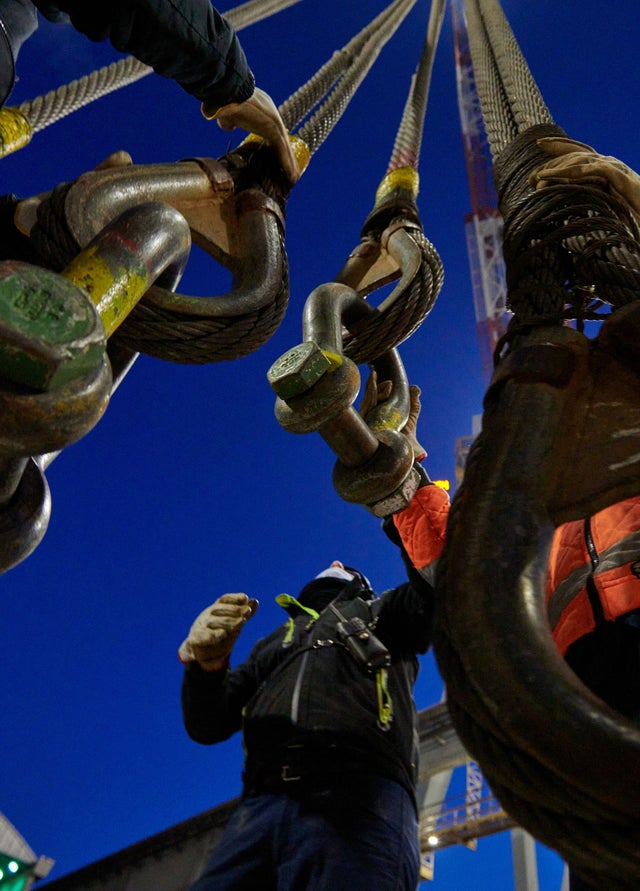

The HRRA placed focused attention on specific groups potentially exposed to risks, including:
alt

Based on the results of the HRRA, in 2024 we defined a structured monitoring plan, aimed at ensuring systematic data collection and in-depth analysis of information relating to salient issues. The plan includes the adoption of proactive indicators designed to anticipate potential risks and facilitate prompt, targeted action. These initiatives will be progressively implemented in 2025, with the active involvement of internal stakeholders and the supply chain, with the goal of further strengthening the protection of human rights.

In parallel, the HRRA process is subject to periodic reviews according to a systematic risk mapping approach, aimed at identifying any new areas of exposure, including those related to the start of new business relationships such as mergers, acquisitions, or joint ventures.
ESG AUDIT PROGRAM AT OUR SUPPLIERS
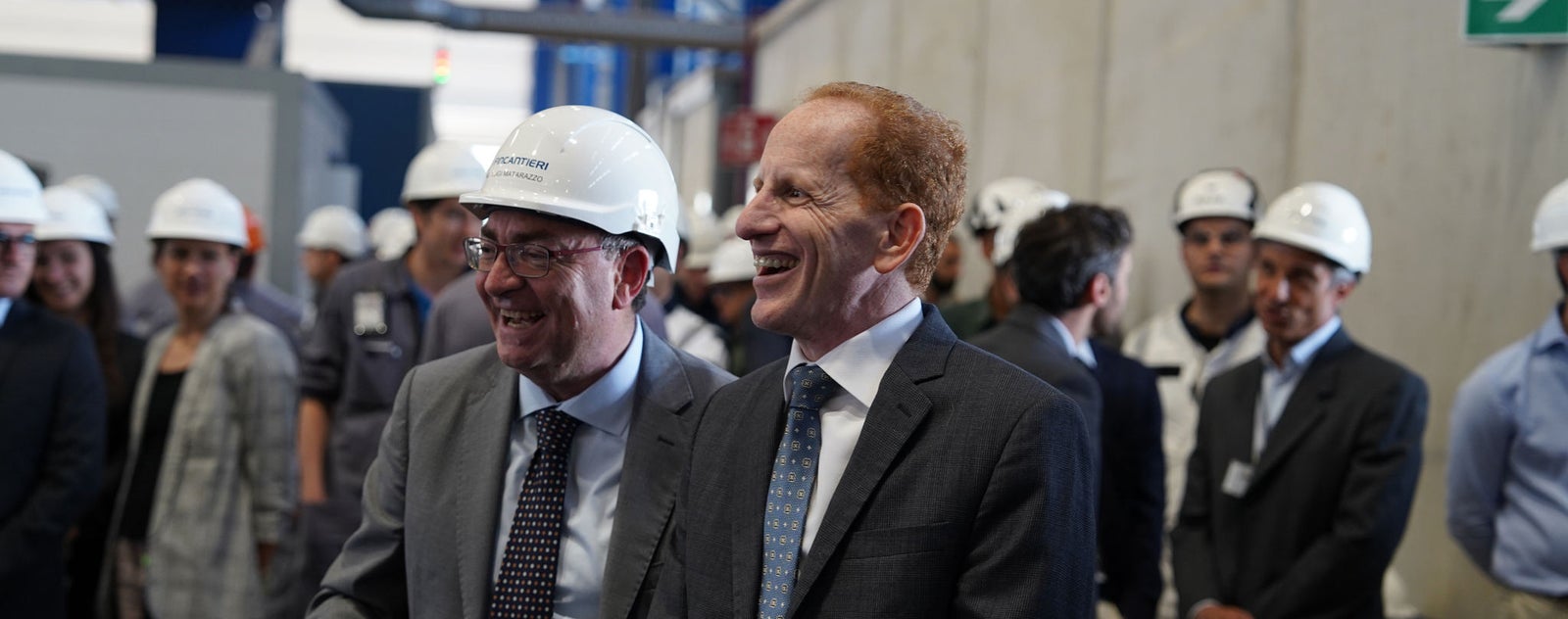
Since 2019, we have launched an ongoing second-party ESG audit program for our priority/strategic suppliers. These audits are conducted using two checklists, one of which focuses on health, safety, and human rights issues. Compliance with our Supplier Code of Ethics is also assessed, with “Labour and Human Rights” as one of its key pillars.

Several other tools allow us to oversee respect for human rights throughout the entire value chain, in particular the supplier qualification process (which also checks compliance with labor laws) and the whistleblowing system (which is also accessible to contract and subcontract workers).
SUPPLY CHAIN
THE COMMITMENTS OF THE 2023-2027 SUSTAINABILITY PLAN RELATED TO HUMAN RIGHTS

Our commitment to creating the socioeconomic conditions necessary to ensure respect for human rights throughout the value chain.

In the following tables, you can find the goals and targets of the 2023-2027 Sustainability Plan for all topics related to human rights.

Goals
+


In line with developing guidelines* and international best practices, proactively identify and assess potential risks and impacts related to human rights compliance, incorporated in the policy and Code of Ethics, and referenced and signed by suppliers in the general terms and conditions of purchase.

* In order to anticipate the requirements included in the Proposal for a Directive of the European Parliament and Council on corporate sustainability due diligence

DESCRIPTION/TARGET TIMELINE PERIMETER STATUS SDGS
Due diligence on Italian and European production sites and their satellite businesses 2023
Group
Achieved
Implementation of a plan of targeted interventions following due diligence
2024 During 2024, the human rights due diligence project continued with the definition of the monitoring plan to create a data collection structure and a system for analysing and reporting information with reference to human rights identified as salient. The plan includes the identification of proactive indicators, designed to anticipate potential critical issues and enable the definition of targeted and effective interventions. These initiatives are expected to be implemented during 2025 through the involvement of internal and supply chain stakeholders.
Monitoring compliance through the formalization of the monitoring and maintenance plan 2025
Annual sustainability audits by Fincantieri (second-party) at suppliers to assess and monitor compliance with human rights, health and safety, and environmental standards.
DESCRIPTION/TARGET TIMELINE PERIMETER STATUS SDGS
Audits of the Group's suppliers of priority/strategic interest on respect for human rights, health and safety and the environment (approx. 200 suppliers including the remaining 7 not carried out due to COVID pandemic issues) with at least 40 audits per year. Starting from 2023, depending on the score obtained from the audit, recovery plans, progressive or immediate phaseouts will be defined on an ongoing basis, based on the severity, with evidence being reported in Supplier Oversight 2023-2027 Group (excluding American subsidiaries)
Achieved
In 2024 Fincantieri conducted 85 in person sustainability inspections, far exceeding the target for the year. In order to ensure maximum transparency and avoid conflicts of interest, the audits were conducted with the support of independent professionals.