image
image
TOWARDS THE GREEN AND DIGITAL SHIP
Innovation and technological development at the service of the energy and digital transition represent the primary direction of development of our 2023-2027 Sustainability Plan
THIS DEVELOPMENT DIRECTION RESPONDS TO KEY SOCIO-ECONOMIC TRENDS IN OUR SECTOR
01
A market context characterized by challenging decarbonization targets to combat climate change
02
An increasing focus on the entire product lifecycle from a circular economy perspective
03
A strong drive towards new technologies, particularly artificial intelligence and the Internet of Things (IoT), which, in parallel, requires increasingly advanced cybersecurity systems.
Our Vision Our commitment to the energy and digital transition can be summed up in the concept of the “Green and Digital Ship”:
ZERO EMISSIONS BY 2035
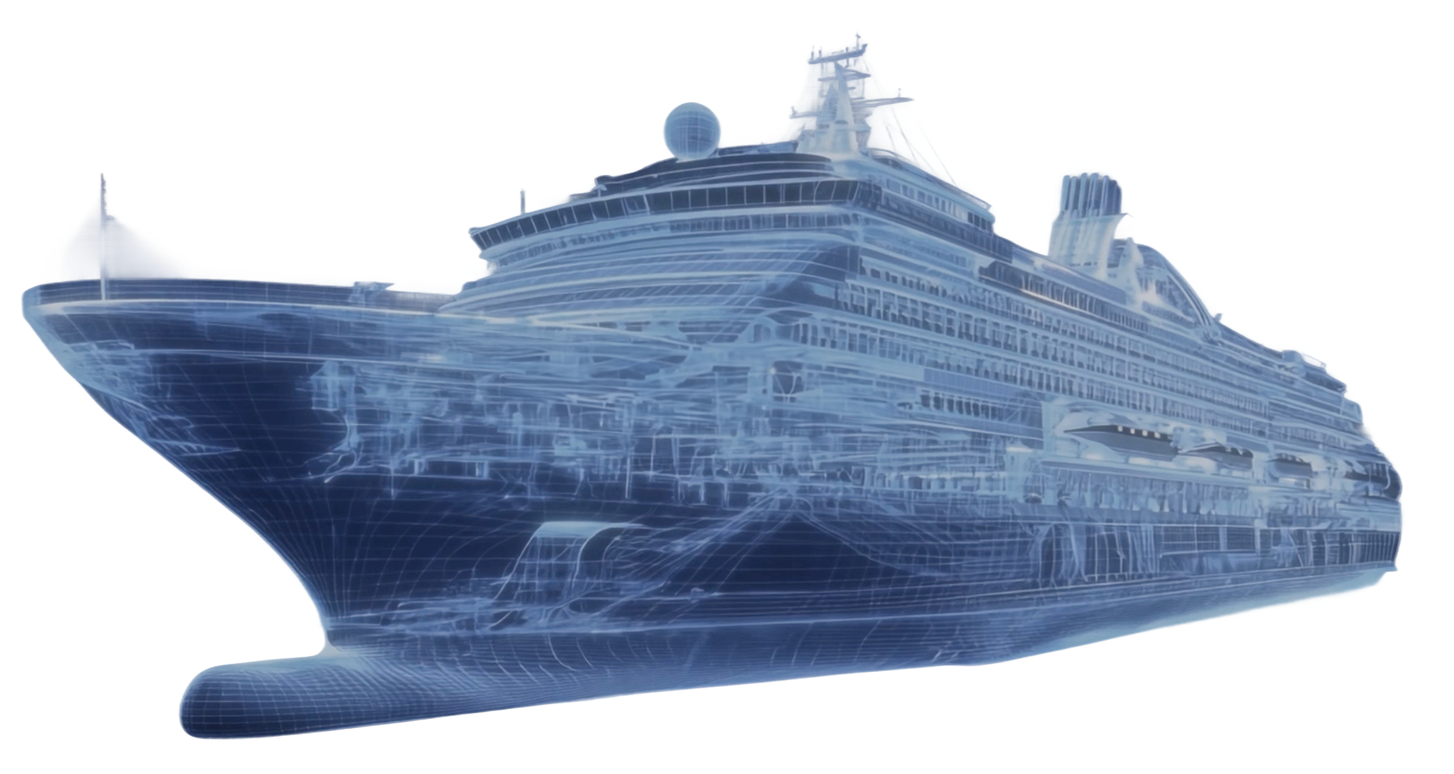
We are investing to build the first zero-emission cruise ship, anticipating the IMO’s Net Zero 2050 target.
FLOATING SMART CITIES
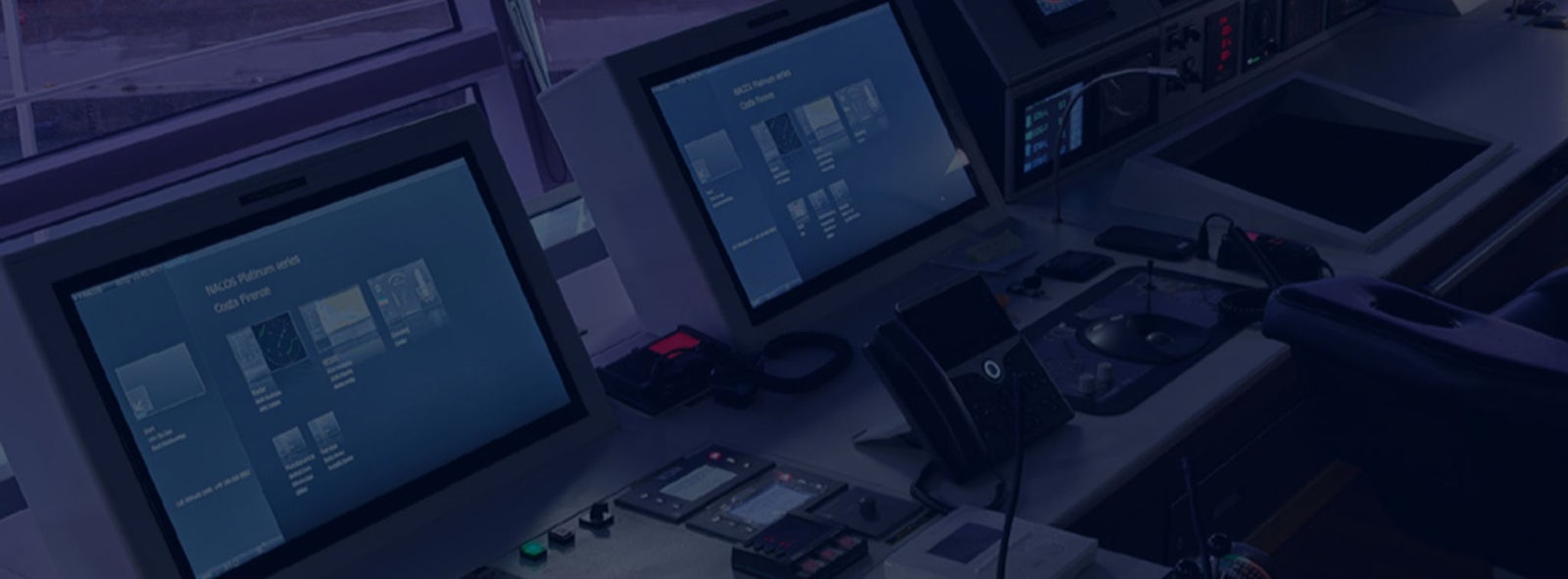
Our ships integrate increasingly advanced, connected, and intelligent digital systems
2030
2040
alt
Sensor & Data Analytics
All ship equipment will be monitored, optimized, and maintained through data collection and analysis.

Onboard & ship-to-shore connectivity
All ships will be connected to a network that will send real-time data to shipowners’ offices, ports, and equipment suppliers.
2040
2050
Automated Green Technologies
Green technologies will be automated and remotely controlled.

Blockchain
Ongoing financial transactions managed through blockchain technology.
Digital Platform
Ship managers, shipowners, banks, and OEMs (original equipment manufacturers) can monitor ship performance through a common platform.

Propulsion & Critical System
Many ships will switch propulsion systems, which will be remotely controlled (before becoming fully autonomous).
2050
alt
Autonomous Operations
Ships will become fully autonomous in all their operations, including mooring, loading, and unloading.

Navigation
Navigation will become fully autonomous and directly connected to the rest of the fleet.
Navis Sapiens, to accelerate our digital transformation

Fincantieri Ingenium, the joint venture 70% owned by Fincantieri NexTech and 30% by Accenture announced in April 2025, aims to combine Accenture’s vast experience in digital platforms, artificial intelligence, connectivity and IoT, cybersecurity, and service design with our specific technological expertise in the naval and defense sectors. Among the first strategic initiatives is the development of Navis Sapiens, the digital ecosystem designed for next-generation ships and the upgrade of the existing fleet.

The project covers three areas:

  • the development of a portfolio of application services to optimize the operational efficiency and lifecycle management of ships and land-based infrastructures
  • the creation of a digital platform capable of enabling applications and advanced features based on artificial intelligence, ensuring cybersecurity
  • a marketplace to create an exchange platform for solutions, including third-party ones, to offer high value-added services and enable new business models for the entire maritime ecosystem.
  • The first ship equipped with Navis Sapiens will enter service by the end of 2025.
LEARN MORE
image
WE ARE WORKING TO BUILD THE NET ZERO SHIP
In line with the goals of the European Union and the IMO, we are working to deliver the first Net Zero ship in 2050, and we have set ourselves the internal target of bringing this forward to 2035. Furthermore, starting in 2025, we plan to deliver the first high-efficiency LNG unit, and by 2030, to build a ship with minimal emissions in port. We have also adopted an ecodesign system that allows us to minimize the environmental impact of ships throughout the entire product lifecycle: from construction, to ship management, to end-of-life dismantling.
image
WE ARE COMMITTED TO REDUCING OUR ENVIRONMENTAL IMPACT
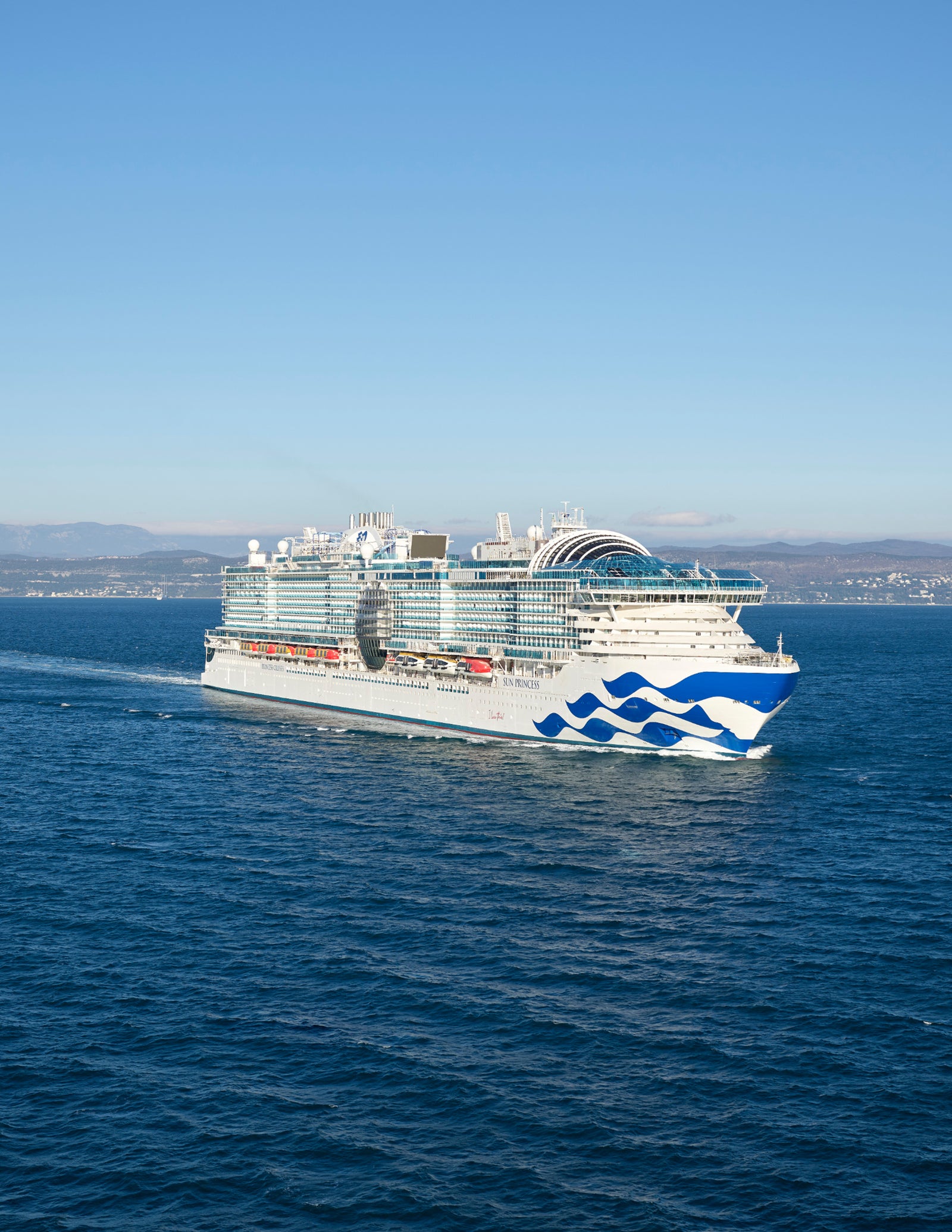
In our daily operations, we work to reduce our CO2 emissions, promote energy efficiency, use natural resources responsibly, and properly dispose of our waste, with a circular economy perspective. Our commitment is realized through the adoption of dedicated Policies, management systems, and certifications, and is supported by significant investments as well as training initiatives for our people.
image
WE PROTECT BIODIVERSITY
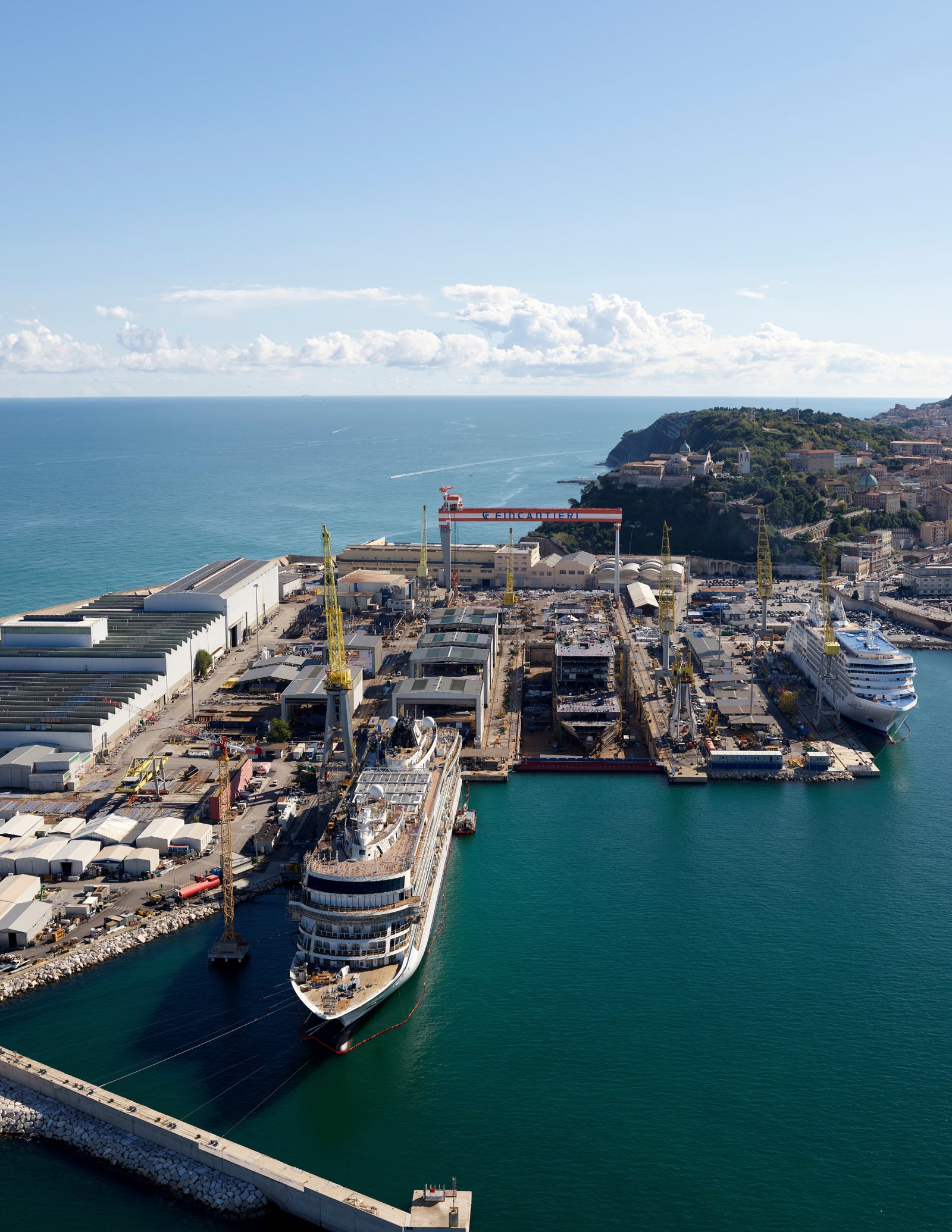
We aim to serve as a model of excellence in the conservation of biodiversity and ecosystems. Therefore, we have mapped our production sites to analyze their potential impacts on the surrounding environment, assessing their proximity to areas of high biodiversity interest.
Our commitments and targets for the energy and digital transition
This table links our material topics with the commitments and targets related to the first development direction of the 2023-2027 Sustainability Plan. The breakdown of targets, timelines, and implementation status can be found on the following pages, which cover Net Zero and Environmental Impacts.
TOPIC COMMITMENT OBJECTIVE
Climate Change Support for research to improve the analysis and management of risks associated with climate change
Promotion of research projects to develop new solutions for energy efficiency or reduction of emissions in collaboration with research institutes / universities on issues associated with climate risks
Reduction of carbon dioxide (CO2) and other pollutant emissions with the aim of contributing to the fight against climate change Reduction of greenhouse gas (GHG) emissions

Ensure the use of electricity from renewable sources

Reduction of emissions of volatile organic compounds (VOCs) through plant works and gradual substitution of the products used with solvent-free or lower-solvent alternatives
TOPIC COMMITMENT OBJECTIVE
Envtironmental Impact of Products and Services Development of ecologically sustainable products and services with the aim of contributing to a circular and low carbon economy • Identify initiatives and projects for the development of products and design tools for ships with reduced environmental impact

• Study on circular economy for Fincantieri S.p.A. cruise ships in cooperation with a university/research centre

•  Developing high energy-efficient cruise ships powered by eco-friendly/ renewable sources, with reduced environmental impact in terms of atmospheric emissions, discharges at sea and noise (green ships)
TOPIC COMMITMENT OBJECTIVE
Innovation, Research and Developtment Investments in research and innovation with the aim of developing sustainable, efficient, safe and competitive products and processes with particular reference to the technologies needed to reduce environmental impact and increase their digitalization • Research & Innovation Policy

• Development of smart ships and smart offshore infrastructure and autonomous ships. Development of innovative solutions for shipyards (smart yards)

• Digital transformation via the introduction of technologies and equipment in order to optimise business processes and make them greener in line with organizational and management best practices

• Digitalization of internal processes and collaboration with third parties

• Introduction of innovative analytics and process mining solutions that provide insights for process optimization
TOPIC COMMITMENT OBJECTIVE
Environmental Management Implementation of projects to improve energy efficiency and conserve natural resources, protect biodiversity and reduce environmental impact to prevent soil, air and water pollution • Waste reduction

• Reduction of water withdrawals

• Protection of biodiversity
TOPIC COMMITMENT OBJECTIVE
Customer Satisfaction Listen to needs and expectations in order to maximize customer satisfaction Extending the customer satisfaction measurement model - Customer Satisfaction Index (CSI) - to ESG issues
TOPIC COMMITMENTS OBJECTIVE
Cyber Security Guarantee the protection of computer systems and data by minimizing the risk of network breaches, corruption of sensitive data or processes and develop the cyber security strategy for products and services Centralize the management and monitoring of cyber security, through a uniform service delivery model

Raising awareness among employees and top management about cyber risks and training them to recognize them