Download PDF


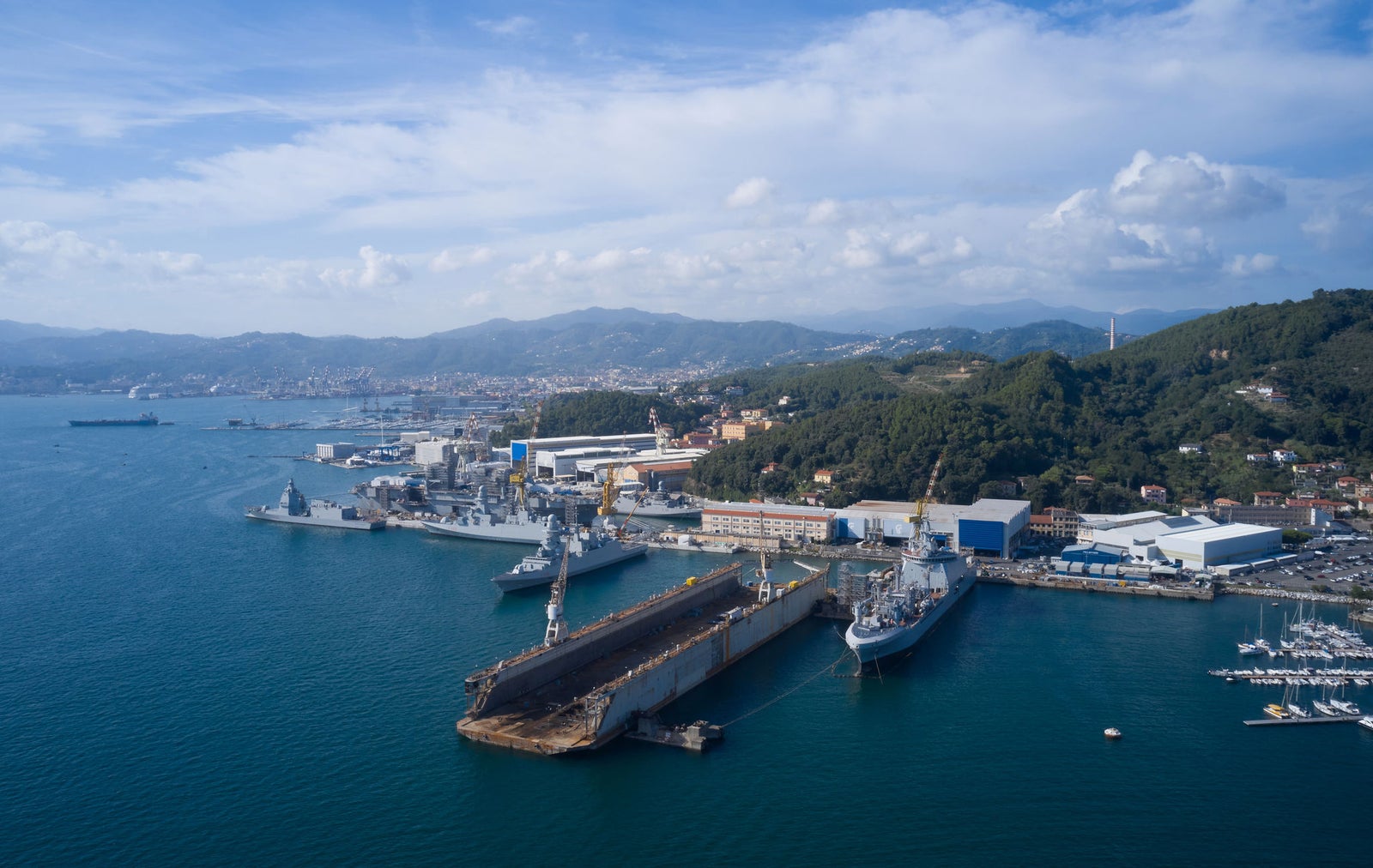
We are constantly committed to overseeing our Management Systems at all production sites and business units certified according to the ISO 14001 standard, meaning all Italian production sites and 89% at Group level.
The individual certified organizational units adopt a “Site Environmental, Occupational Health and Safety, and Energy Commitment Statement” in line with the guidelines defined at company level, which are communicated to all employees and shared with suppliers through regular coordination activities.
All certified sites are subject to audits carried out by dedicated internal structures, according to an annual schedule. As part of the management systems, reports of any environmental incidents are also collected and managed.
Our system for managing, controlling, and mitigating potential environmental impacts regularly incorporates the provisions of current and emerging regulations into internal processes and procedures. We have also implemented a series of targeted actions to address the impacts—both negative and positive—arising from climate change, to manage the risks and pursue opportunities.
While the other plants operate under the Single Environmental Authorization regime, the Monfalcone plant holds the Integrated Environmental Authorization issued by the Friuli-Venezia Giulia Region. This is the first decision of its kind within the company, confirming our commitment to the local area and transparency in the management of the production process.
Each Production Unit, within its own Site Emergency Plan, provides for adequate procedures to be implemented in the event of Environmental Emergencies. Every plant has a dedicated emergency number to contact in order to report a threat and initiate the necessary containment and management actions, through the prompt intervention of suitably informed, trained, and qualified personnel.
No significant fines were received in 2024 for non-compliance with environmental laws and regulations.
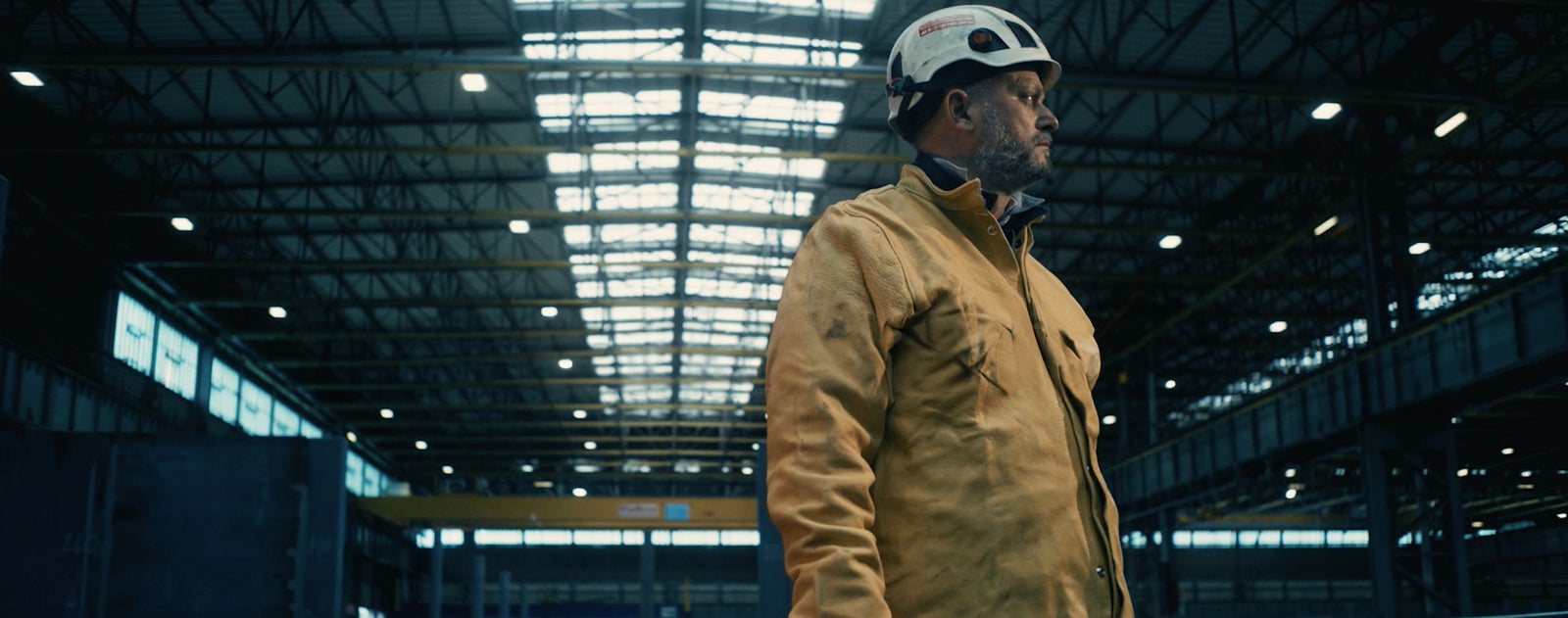
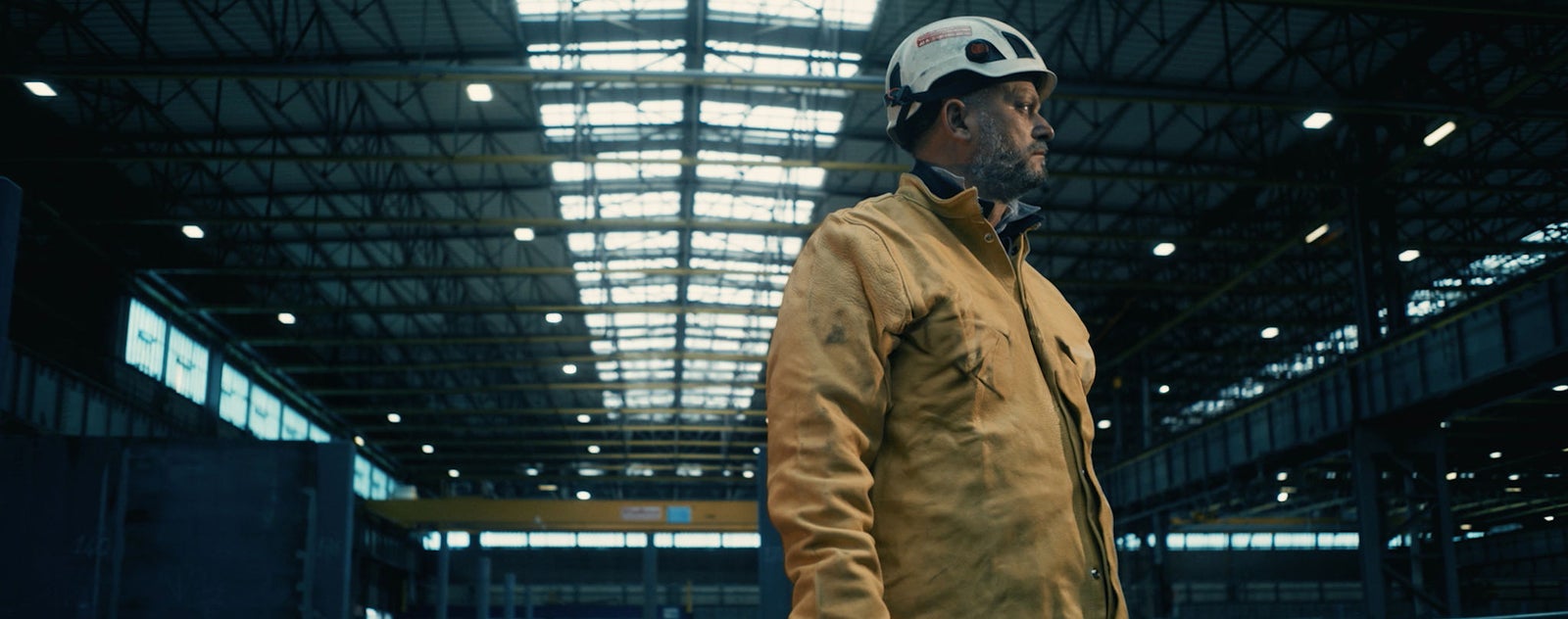
In 2024, we made environmental investments totaling €7.5 million, with interventions aimed at the continuous improvement of our impacts on all environmental aspects. Key initiatives included:
In order to train and raise awareness among our employees on these issues, in 2024 we delivered 73,554 hours of training on energy, water, and waste management, as well as atmospheric emissions.
| Energy Consumption (MWh) | |||||
| 2,023 | 2,024 | CHANGE 2024/2023 | |||
| MWh | % | MWh | % | ||
| Fuel for thermal use | 477.932 | 53% | 446.888 | 55% | 6.9% |
| Transport fuel | 30.806 | 4% | 34.292 | 4% | -10.2% |
| Self-generated thermal energy | 19 | 0% | 144 | 0% | -86.9% |
| Electricity | 363.96 | 43% | 360.936 | 42% | 0.8% |
| TOTAL | 872.716 | 100% | 842.26 | 100% | 3.6% |
In order to improve the energy efficiency of our sites, in recent years we have planned and carried out important activities regarding management systems and certifications.
In Italy, the Arsenale Triestino, Ancona, Muggiano, Riva Trigoso, Monfalcone, Sestri, Marghera, Palermo, and Castellammare di Stabia sites hold the ISO 5001 Energy Management System certification. In the United States, Fincantieri Ace Marine, Fincantieri Bay Shipbuilding, and Fincantieri Marinette Marine are also Green Marine certified.
The goal of improving energy performance and reducing greenhouse gas (GHG) emissions, as outlined in the 2023-2027 Sustainability Plan, which calls for a 20% reduction in Scope 1 and Scope 2 emissions by 2030, has led to the implementation of several actions and investments in new technologies:
Furthermore, as defined in the 2023-2027 Sustainability Plan, we have set the goal of increasing the share of electricity from renewable sources (hydroelectric, wind, photovoltaic) to reach 100% by 2030, continuing with programs related to photovoltaic plants and PPA agreements (Power Purchase Agreements, long-term contracts signed with renewable energy suppliers to ensure a stable and sustainable supply).
We are also committed to purchasing electricity from renewable sources certified with EACs (Energy Attribute Certificates): GOs (Guarantees of Origin) for Italy, Norway, and Romania, RECs (Renewable Energy Certificates) for the United States, and I-RECs (International Renewable Energy Certificates) for the rest of the world.
| Energy Consumption | ||||
| Energy Consumption (MWh) | 2,023 | 2,024 | % OF TOTAL | CHANGE 2024/2023 |
| Biofuels | 0 | 0 | 0 | - |
| Acetylene | 8.906 | 9.09 | 1& | -2% |
| Natural gas | 166.439 | 164.53 | 19% | 1% |
| Diesel fuel | 287.235 | 229.829 | 33% | 24% |
| LPG | 3.001 | 2.986 | 0% | 0% |
| LNG | 1.995 | 2.242 | 0% | -11% |
| Fuel oil | 10.355 | 38.211 | 1% | -72% |
| Total fuel for thermal use | 477.932 | 446.888 | 55% | 7% |
| Petrol | 3.841 | 1.723 | 0 | 124% |
| Diesel (transport) | 26.965 | 32.569 | 3% | -15% |
| Total transport fuel | 30.806 | 34.292 | 4% | -8% |
| Total self-generated thermal energy | 19 | 144 | 0% | -87% |
| Total electricity | 363.96 | 360.936 | 42% | 1% |
| – of which purchased renewable electricity | 318.8 | 304.04 | 37% | 5% |
| – of which self-generated renewable electricity | 8.685 | 4.227 | 1% | 105% |
| Total energy | 872.716 | 842.26 | 100% | 4% |
| *Data refers to the entire Fincantieri Group. | ||||
In the current context of climate change, the increasing demand for water resources is highlighting a worrying phenomenon: in a growing number of countries, large amounts of water may become scarcely available or even inaccessible due to changes in climate patterns, with an impact on procurement costs.
Water resources, in fact, may no longer be accessible at current costs, as extreme weather events such as prolonged droughts and erratic meteorological phenomena are changing the distribution and availability of natural resources, making new approaches and policies necessary.
For this reason, we are working on the sustainable management of water resources through preventive measures and the monitoring of water use, in order to analyze withdrawals and consumption.
| WATER WITHDRAWAL | ||||
| 2.023 | 2.024 | VAR. 2024/2023 | ||
| UNIT OF MEASURE | ||||
| TOTAL | M3 | 2,917,464 | 2,901,790 | -0.5% |
| SUBSOIL (AQUIFERS) | M3 | 1,042,403 | 949,707 | -8.9% |
| MUNICIPAL/STATE SUPPLY | M3 | 1,875,062 | 1,952,083 | 4.1% |
| SEA | M3 | 0 | 0 | 0 |
| *the data refer to the entire Fincantieri Group | ||||
Starting in 2024, with the entry into force of the CSRD Directive, we have also reported the quantities of water discharged and consumed, not just withdrawals. In 2024, we discharged 2,139,954 m3 and consumed 761,836 m3 of water.
At the individual shipyard level, as part of the Environmental Management Systems, we continuously verify the measures implemented to ensure the optimization of water use. We are committed to:
In particular, the main actions launched in 2024 focused on improving monitoring systems, repairing pipelines, and implementing water recycling for the cooling of ships at the quay.
In the 2023-2027 Sustainability Plan, we have set the following Group-level reduction targets compared to 2021:
Through the analysis carried out using the Aqueduct Water Risk Atlas software, the Ancona, Castellammare di Stabia, and Palermo shipyards were found to be located in areas of high water stress and, as a result, their consumption is particularly monitored. In these sites, studies have started for surveying the pipelines (where necessary) and for drafting the water balance, aimed at determining a diagnosis of withdrawals, use, and discharge, and at improving related processes and costs.
Below are the main raw materials present in the production cycle:
In line with the Policy regarding the use of chemical products, sourcing choices—where equivalent technical features and/or compatible performance are present—favor products with a lower environmental impact. With regard to coating products, which are the most widely used in shipbuilding production, we have identified and analyzed ways to increase the use of low-solvent or water-based solutions as an alternative to traditional coatings, also expanding their forecasted use within project technical specifications.
Supporting the commitments set forth in our Policy, the CIRCular Economy (CIRCE) project on the study of circular economy highlighted, among the most significant impact categories, the use of fossil and mineral resources in the materials used for the construction of the hull, cabins, and air conditioning systems, and identified the most promising initiatives.
Regarding the optimization of material logistics, in Italy the centralization project for shipment planning (Control Tower), launched in 2014 to manage the yards’ shipping requests in an integrated way—aimed at reducing transport costs, improving reliability and punctuality of deliveries, and reducing environmental impact—has enabled a reduction in pollutant emissions through round-trip shipment planning and higher vehicle saturation (combining multiple shipping requests on one carrier). In 2024, compared to the total number of single shipment requests, the project resulted in a reduction of 1,521 trips corresponding to 395,648 km and a saving of 264 t of CO2, equivalent to the average CO2 absorbed in a year by approximately 44 hectares of forest (Birdsey, R. A.– 1992)
| Unit of measure | 2,023 | 2,024 | VAR. 2024/2023 | |
| Carbon dioxide (CO2) | t | 23.158 | 23.221 | 0.3% |
| Argon | t | 2.031 | 1.897 | -6.6% |
| Nitrogen | t | 995 | 1.117 | 12.2% |
| Ferrous | t | 206.251 | 207.755 | 0.7% |
| Aluminum | t | 79 | 123 | 55.7% |
| Oxygen | t | 10.195 | 11.295 | 10.8% |
| Paints | t | 4.047 | 4.394 | 8.6% |
| *The data refer to the entire Fincantieri Group | ||||
We promote responsible waste management, strongly encouraging separate collection and particularly the reduction of hazardous waste.
The criteria identified for the management of processing residues and waste disposal are included in the company guidelines, which are adopted and detailed by each production unit’s procedures, taking site-specific characteristics into account.
The layout of the production cycle, characterized by specific sequences of processing phases, optimizes the selection and introduction of materials upstream and therefore allows for the organized differentiation and collection of residues.
The waste produced by our activities is delivered to authorized sites based on its classification, with a preference for and maximization of recovery destinations, in compliance with ISO 14001 certification, which is verified through internal and third-party checks and audits.
The awareness-raising efforts continued in 2024 for all internal stakeholders involved in the waste management process, ensuring the achievement of the set targets for reducing the quantities of waste per production hour, as well as maintaining the share of waste sent for recovery (87%), perfectly in line with the target set in the 2023-2027 Sustainability Plan. This goal was made possible by improvements in separate waste collection at all shipyards. In particular, in Italy, the percentage of recycled waste reached 90%, thanks to targeted policies and effective management of processing residues.
A relevant aspect concerns the management of hazardous waste: in 2024, 82% of this type of waste was sent for recovery or recycling.
| HAZARDUS WASTE BY DISPOSAL METHOD | UNIT OF MEASURE | 2,023 | 2,024 |
| TOTAL HAZARDOUS WASTE RECOVERED/RECYCLED | t | 12.971 | 17.542 |
| TOTAL HAZARDOUS WASTE DESTINED FOR DISPOSAL | t | 7.481 | 3.941 |
| HAZARDOUS WASTE DESTINED FOR DISPOSAL – INCINERATION | t | 0 | 123 |
| HAZARDOUS WASTE DESTINED FOR DISPOSAL – LANDFILL | t | 0 | 368 |
| HAZARDOUS WASTE DESTINED FOR DISPOSAL – OTHER DISPOSAL OPERATIONS | t | 7.481 | 3.449 |
| *the data refer to the entire Fincantieri Group | |||
We promote a sustainable mobility model aimed at reducing greenhouse gas emissions and encouraging changes in habits.
Since the beginning of 2024, we have reactivated the digital carpooling service for our Italian employees. In this way, we aim to encourage an alternative and sustainable solution for commuting, through the responsible and shared use of private cars. The system—also accessible via a smartphone or tablet app—uses a dedicated community to easily connect registered users and certify the results in terms of energy and environmental savings. The platform includes a rewards system that encourages participation in the initiative. In parallel, the “soft mobility” option allows the certification of commuting by bicycle or on foot, with access to the rewards system as well. As of January 2025, more than 600 people had registered on the platform. In 2024, thanks to participation in the initiative and the recording of journeys (including the “soft mobility” option), 23,000 kg of CO2 — equivalent to 175,000 km — were saved.

We also promote and encourage the use of public transport wherever possible, provided it does not cause excessive inconvenience for employees, thanks in part to agreements with local public transport companies to activate additional bus services and/or routes. Through the Welfare Portal, our employees can request full or partial reimbursement for urban public transport or train passes, an opportunity that can also be extended to dependent family members.
As for the company fleet, in Italy we are replacing internal combustion vehicles with hybrid technology vehicles—including PHEVs (Plug-in Hybrid Electric Vehicles)—with the aim of building an increasingly sustainable fleet. The various charging stations for company electric vehicles located at our Italian production sites are used regularly.
We also note that, through our partner airlines for employee business travel, we contribute to environmental protection by purchasing Sustainable Aviation Fuel (SAF), which enables a reduction in pollutant emissions compared to conventional aviation fuel. Thanks to trips taken by Fincantieri Group Italy employees, these airlines have also been able to offset flight-related CO2 emissions by contributing to internationally certified climate protection projects.
Our subsidiaries are also adopting similar policies to reduce travel and the environmental impact of mobility.
We are committed to measuring and monitoring greenhouse gas (GHG) emissions related to our activities in order to verify the effectiveness of the reduction strategies implemented.
In 2024, total GHG emissions of the Fincantieri Group—from sources owned or controlled by the Group (Scope 1), electricity consumption (Scope 2), and other indirect emissions (Scope 3)—amounted to over 16 million tonnes of carbon dioxide equivalent (tCO2e).
In the 2023-2027 Sustainability Plan, we set a GHG emissions reduction target for Scopes 1 and 2: -4% by 2025, -8% by 2027, and -20% by 2030 compared to 2021. In 2024, GHG emissions from Scopes 1 and 2 decreased by 2.7%, again compared to 2021 emissions.
| SCOPE OF EMISSIONS [TONS OF CO2e] | 2.023 | 2.024 | CHANGE 2024/2023 |
| SCOPE 1 | 118,984 | 126,453 | 6.3% |
| SCOPE 2 | 25,975 | 19,012 | -26.8% |
| Electric energy (Location-Based) | 106,877 | 107,564 | 0.6% |
| Electric energy (Market-Based) | 25,975 | 19,012 | -26.8% |
| SCOPE 3 (EXCLUDING «USE OF SOLD PRODUCTS»)* | 1,202,688 | 1,353,524 | 12.5% |
| Cat. 1 Purchased goods and services | 1,036,342 | 1,044,473 | 0.8% |
| Cat. 2 Capital goods | 70,158 | 55,498 | -20.9% |
| Cat. 3 Fuel- and energy-related activities (not included in scope 1 or scope 2)* | 30,588 | 31,334 | 2.4% |
| Cat. 4 Upstream transportation and distribution | 27,698 | 18,911 | -31.7% |
| Cat. 5 Waste generated in operations | 7,258 | 7,692 | 6.0% |
| Cat. 6 Business travel | 8,110 | 9,658 | 19.1% |
| Cat. 7 Employee commuting | 7,564 | 7,970 | 5.4% |
| Cat. 12 End of life Traetment of Sold Products | 14,455 | 13,802 | -4.5% |
| Cat. 15 Investments | - | 163,746 | - |
| Other (water withdrawal) | 515 | 439 | -14.8% |
| TOTAL SCOPE 1+2+3 (EXCLUDING «USE OF SOLD PRODUCTS») | 1,347,647 | 1,498,990 | 11.2% |
| Cat. 11 Use of sold products | 21,173,247 | 15,366,986 | -27.4% |
| TOTAL SCOPE 1+2+3 | 22,520,895 | 16,865,976 | -25.1% |
| EMISSIONS ITEM IN [TONNES OF CO2E] | 2.022 | 2.023 | VAR 2023/2022 |
| SCOPE 1 | 118,461 | 118,984 | 0.4% |
| SCOPE 2 | 32,653 | 25,975 | -20.5% |
| Electric energy (Location-Based) | 112,204 | 106,877 | -4.75% |
| Electric energy (Market-Based) | 32,653 | 25,975 | -20.5% |
| SCOPE 3 (EXCLUDING «USE OF SOLD PRODUCTS»)* | 1,298,757 | 1,202,688 | -7.4% |
| Cat. 1 Purchased goods and services | 1,146,525 | 1,036,342 | -9.6% |
| Cat. 2 Capital goods | 56,186 | 70,158 | 24.9% |
| Cat. 3 Fuel- and energy-related activities (not included in scope 1 or scope 2)* | 32,881 | 30,588 | -7.0% |
| Cat. 4 Upstream transportation and distribution | 25,280 | 27,698 | 9.6% |
| Cat. 5 Waste generated in operations | 6,707 | 7,258 | 8.2% |
| Cat. 6 Business travel | 5,548 | 8,110 | 46.2% |
| Cat. 7 Employee commuting | 7,526 | 7,564 | 0.5% |
| Cat. 12 End of life Traetment of Sold Products | 17,676 | 14,455 | -18.2% |
| Other (water withdrawal) | 429 | 515 | 20.3% |
| TOTAL SCOPE 1+2+3 (EXCLUDING «USE OF SOLD PRODUCTS») | 1,449,871 | 1,347,647 | -7.1% |
| Cat. 11 Use of sold products | 21,798,611 | 21,173,247 | -2.9% |
| TOTAL SCOPE 1+2+3 | 23,248,481 | 22,520,895 | -3.1% |
| The data refer to the entire Fincantieri Group | |||
| Boundary and Calculation Methodology: | |||
| • Cat. 1 – Data refer to the purchase of goods for ship production across the Group. For each vessel under construction, the carbon footprint from the materials used was calculated and the annual emissions were allocated based on the cost share associated with each project. | |||
| • Cat. 2 – Data cover the entire Fincantieri Group. | |||
| • Cat. 3 – Data cover the entire Fincantieri Group. | |||
| • Cat. 4 – Data include the procurement of raw materials by Fincantieri S.p.A. and Fincantieri Marine Group, as well as internal handling of ship sections by Fincantieri S.p.A. and VARD. | |||
| • Cat. 5 – Data cover the entire Fincantieri Group. | |||
| • Cat. 6 – Data cover the entire Fincantieri Group. | |||
| • Cat. 7 – Data refer to employees and workers of Fincantieri S.p.A. | |||
| • Cat. 11 – Data refer to emissions from the operational phase of vessels delivered by the Fincantieri Group. For each vessel type (cruise, military, special), an operational profile and expected service life were defined to estimate emissions both at sea and in port. The assumptions used for Category 11 are conservative, as they do not reflect the gradual adoption of decarbonisation measures in navigation, such as sustainable fuels or hydrogen. | |||
| • Cat. 12 – Data refer to emissions from the end-of-life phase of vessels delivered by the Group. For each ship, emissions were estimated based on the carbon footprint of its components during dismantling. | |||
| • Cat. 15 – Investments – Calculations are based on Fincantieri’s capital expenditures, using the average spend-based method in accordance with the GHG Protocol guidelines. | |||
| • Other – Data cover the entire Fincantieri Group. | |||
| UNIT OF MEASURE | 2.021 | 2.022 | 2.023 | 2.024 | |
| SOX | t | 0.04 | 0.7 | 0.9 | 1.31 |
| NOX | t | 28.3 | 32.4 | 28.7 | 31.1 |
| COV | t | 787.2 | 708.4 | 717 | 833 |
| *The data refer to the entire Fincatieri Group | |||||
The 2023-2027 Sustainability Plan includes a target to reduce Volatile Organic Compounds (VOCs) per production hour, with a -3% goal by 2025 and -5% by 2027 compared to 2021.
By introducing a target that is more ambitious than the regulatory limits, the commitment to reducing VOC emissions has become more challenging, requiring increased support from the Ship Divisions and, in particular, from the Design, Methods, Project Management, Environment & Safety, and Procurement departments.