FOTO


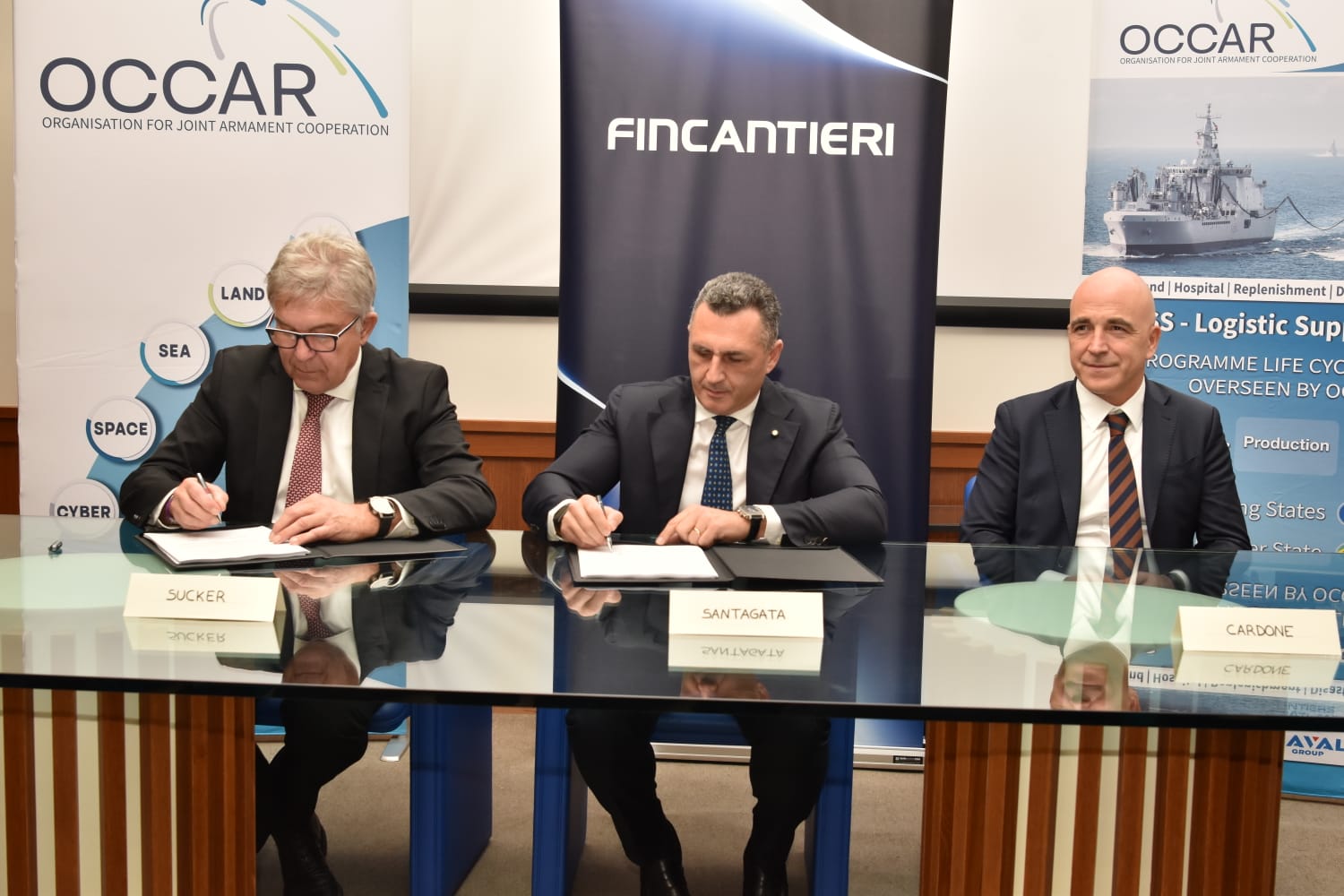
The Temporary Grouping of Companies (RTI), led by Fincantieri with the participation of Leonardo, has signed an amendment to the contract with OCCAR (Organisation Conjointe de Coopération en matière d’Armement) for the LSS (Logistic Support Ship) program, covering the construction of a third logistic support unit for the Italian Navy.
The agreement is worth approximately €500 million, of which around €88 million is subject to options. Fincantieri’s share amounts to approximately €414 million, including around €37.5 million in options, while Leonardo’s share amounts to approximately €85 million, including around €50 million in options.
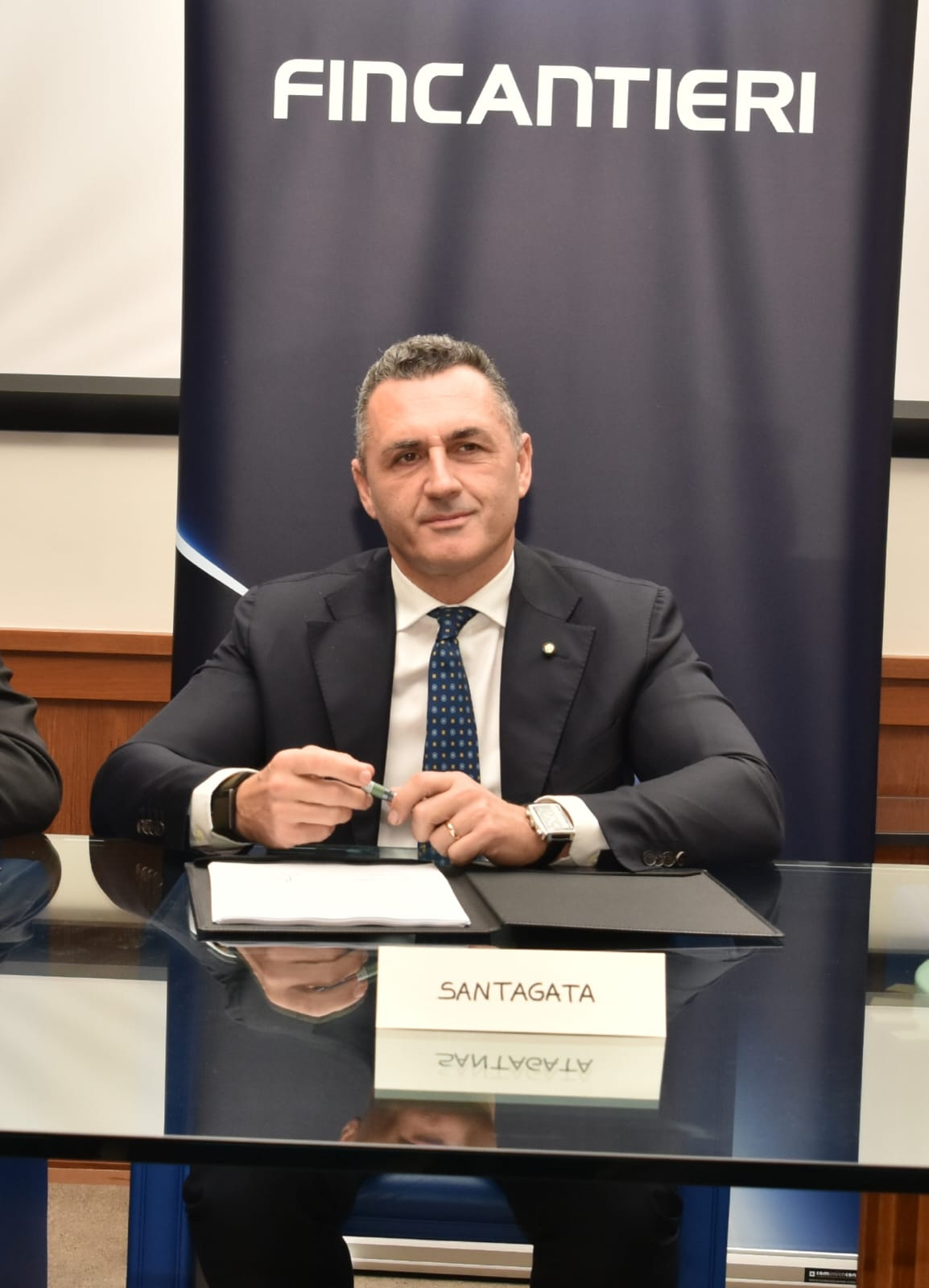
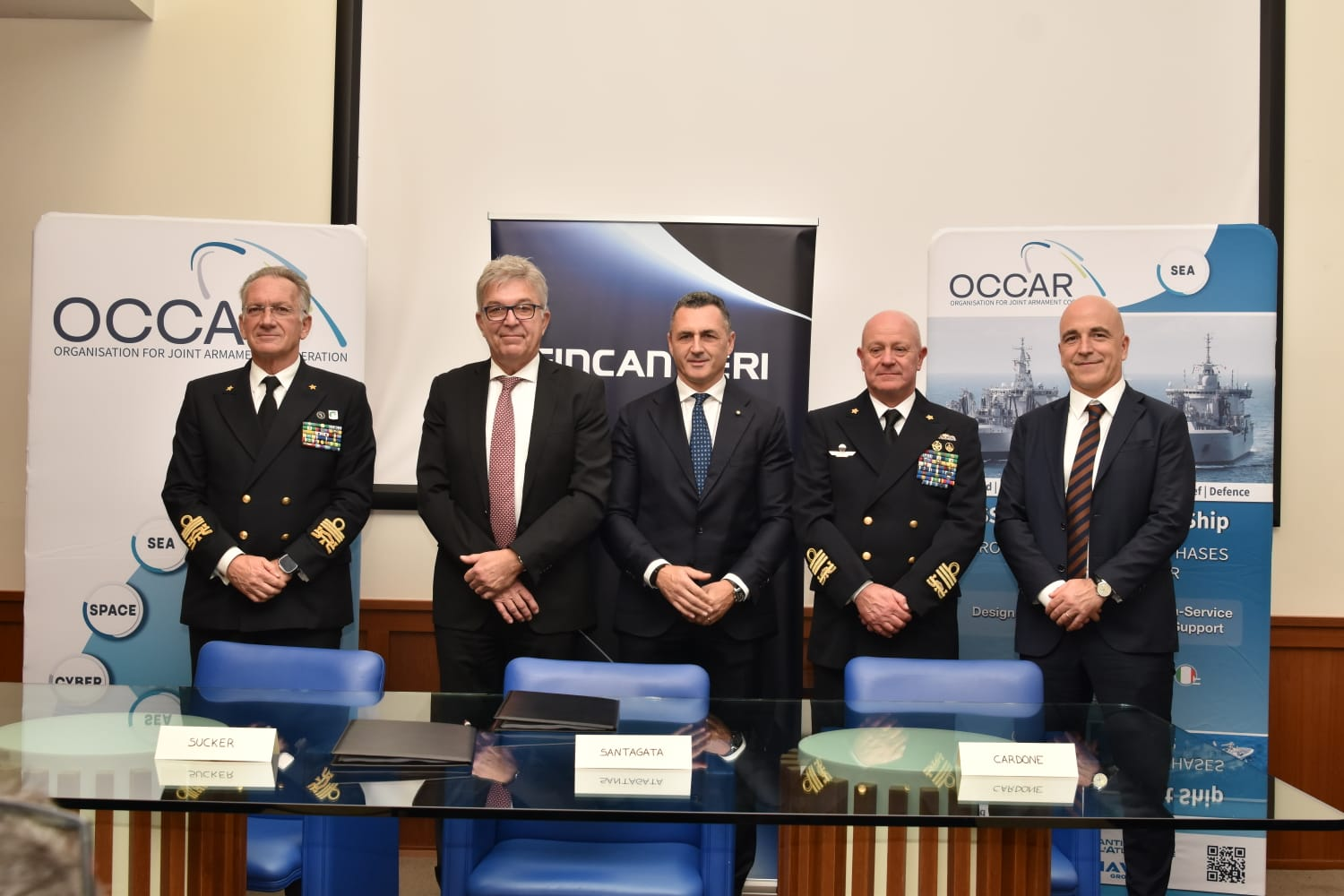
The agreement was signed at the Muggiano Integrated Shipyard by OCCAR Director, Joachim Sucker and General Manager of Fincantieri’s Naval Vessels Division, Eugenio Santagata. Also attending the ceremony were Admiral Fabio Gregori, Deputy Chief of Staff of the Italian Navy; Vice Admiral Cristiano Nervi, Director of the Naval Armaments Directorate and Matteo Cardone, Land & Sea Business Deputy Managing Director Leonardo Electronics Division.
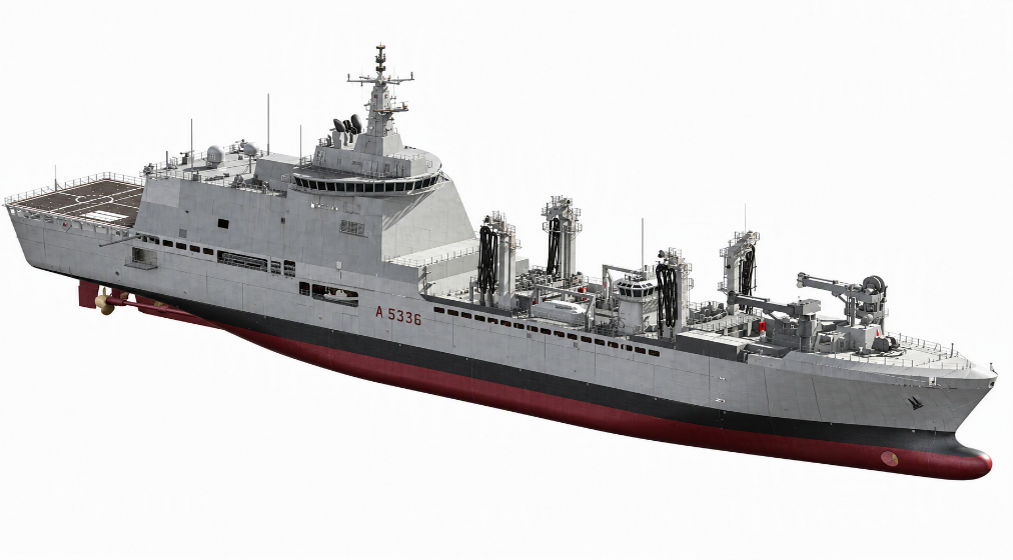
The new unit, which will join Vulcano and Atlante, both already delivered by Fincantieri to the Italian Navy, will ensure further industrial and technological continuity for a strategic program aimed at renewing and strengthening the national fleet. The ship will be entirely built at the Fincantieri shipyard in Castellammare di Stabia, with delivery scheduled by 2030.
The order further strengthens Fincantieri’s role as a strategic partner to the Italian Navy and confirms the Group’s position in the design and construction of complex naval platforms, through the integration of industrial, technological and digital expertise across the entire value chain. The program also enhances the role of Castellammare di Stabia as a production hub for naval vessels shipbuilding, ensuring continuity for the expertise developed at the site and its industrial supply chain.
Pierroberto Folgiero, CEO and Managing Director of Fincantieri, commented: “This new order confirms the strength of the growth trajectory we have outlined for our Defense business and gives concrete substance to the commercial prospects announced in recent months. The new LSS strengthens an industrial path that builds on the wealth of expertise developed over time at the Castellammare di Stabia shipyard, which continues to contribute to the Group’s ability to build technologically advanced naval vessels. At the same time, it marks a further evolution of a platform that is already demonstrating its operational value and international competitiveness. This program fully demonstrates Fincantieri’s ability to bring together distinctive expertise and technologies to address increasingly complex operational scenarios, contributing to the country’s technological and industrial sovereignty.”
The construction of the new unit will also draw on the integrated expertise of the Fincantieri Group, with Fincantieri NexTech contributing automation systems and cybersecurity infrastructure, and the Mechanical Systems and Components Hub supplying platform components and systems, including shaft lines, steering gear, bow thrusters, stabilising fins and other handling equipment.
As part of the multi-year program to safeguard Italy’s defence maritime capabilities – the so-called “Naval Law” – the first two LSS units were delivered to the Italian Navy in March 2021 and December 2025, respectively. The strength of the LSS platform is also reflected in its adoption by the French Navy (Marine nationale) under the FLOTLOG program, which provides for the construction of units derived from the Italian design, in collaboration with the Fincantieri shipyard in Castellammare di Stabia.
The new unit will be built on developments made under other naval renewal programs, with the aim of providing a more modern and functional platform for the coordination and support of naval operations.
LSS – Logistic Support Ship
As for the the first two units, the third LSS will have an overall length of approximately 193 metres, a maximum beam of 24 metres and a displacement of approximately 27,500 tons. It will be capable of reaching a maximum speed of approximately 20 knots.
Its distinguishing features include the integration of innovative command and control systems, including the new SADOC5 Combat Management System, as well as enhanced network protection, with a higher security classification level. The unit will also feature increased satellite communications capabilities to effectively support and coordinate complex maritime operations, requiring corresponding modifications to the platform.